
Early 19th century
First permanent coastal lights began establishing safer passages along the northern route.
Northern Coast Lighthouses
Explore archival photographs, keeper stories, and preserved tower references that connect maritime heritage to real places along the coast.
Explore the northern coast through archive photography, keeper testimony, and preserved-tower references you can follow by place.
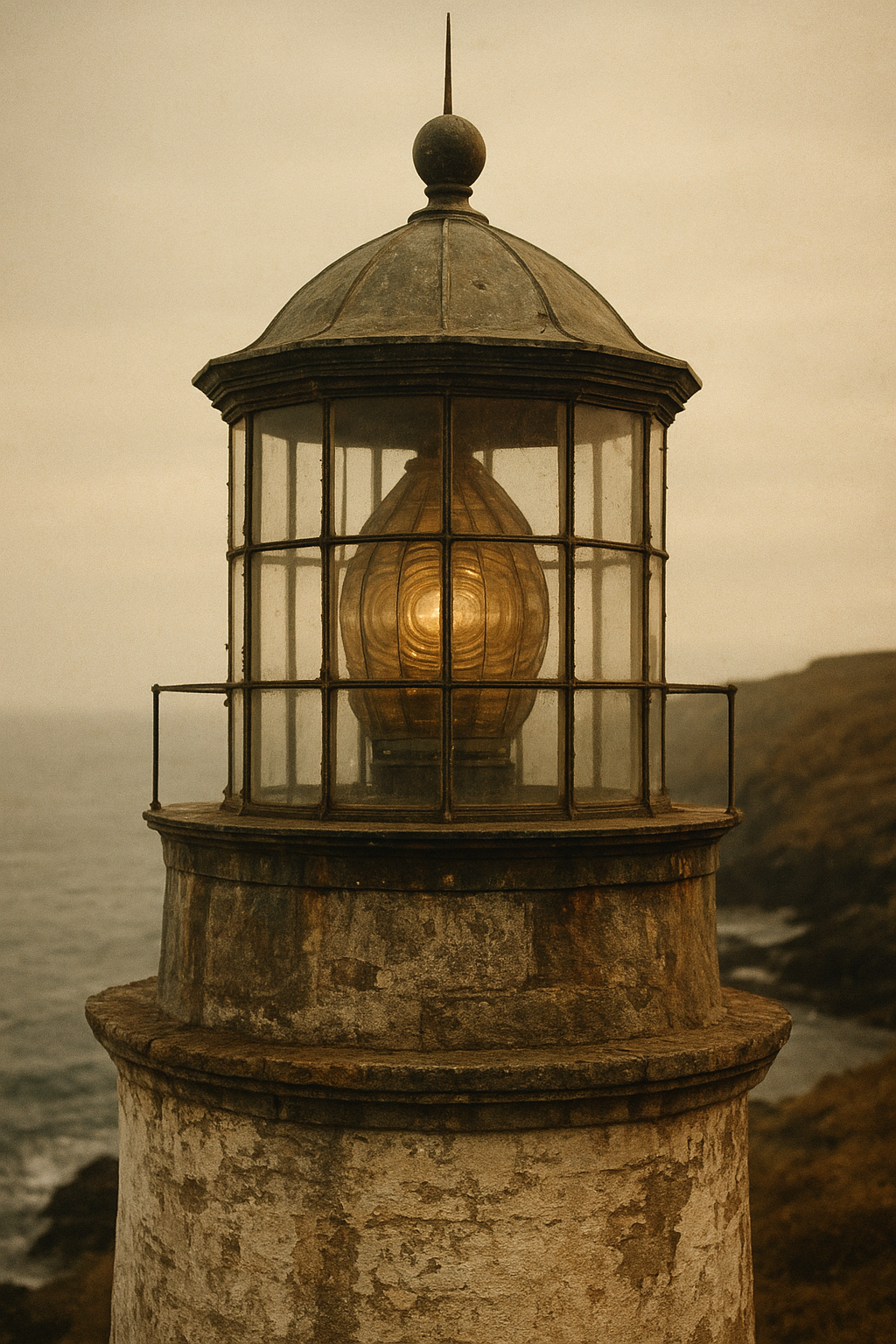
Browse documented images of towers, lantern rooms, and weathered structures across different eras.
Read concise accounts from keepers and families that trace daily work, storms, and seasonal routines.
Follow mapped references to surviving lighthouse sites with historical context and practical visit notes.
Historical highlights
Early 19th century
First permanent coastal lights began establishing safer passages along the northern route.
Generations of keepers
Daily watch, weather logs, and lamp care carried across families and successive crews.
Storm-tested coastline
Beacons were repeatedly adapted as maritime traffic, weather risk, and technology evolved.
Preserved towers today
A surviving network of sites now anchors local memory, research, and coastal visits.
KEEPER STORIES
From weather-noted logbooks to winter routines, these short extracts trace the people who kept northern coast beacons running through ordinary and difficult days.
Lead preview
In mid-December gales, Keeper Elias Brant logged each lamp trim beside notes on dwindling coal and iced stair treads. His entries read less like heroics than disciplined ritual, repeated hour by hour until dawn cleared the reef.
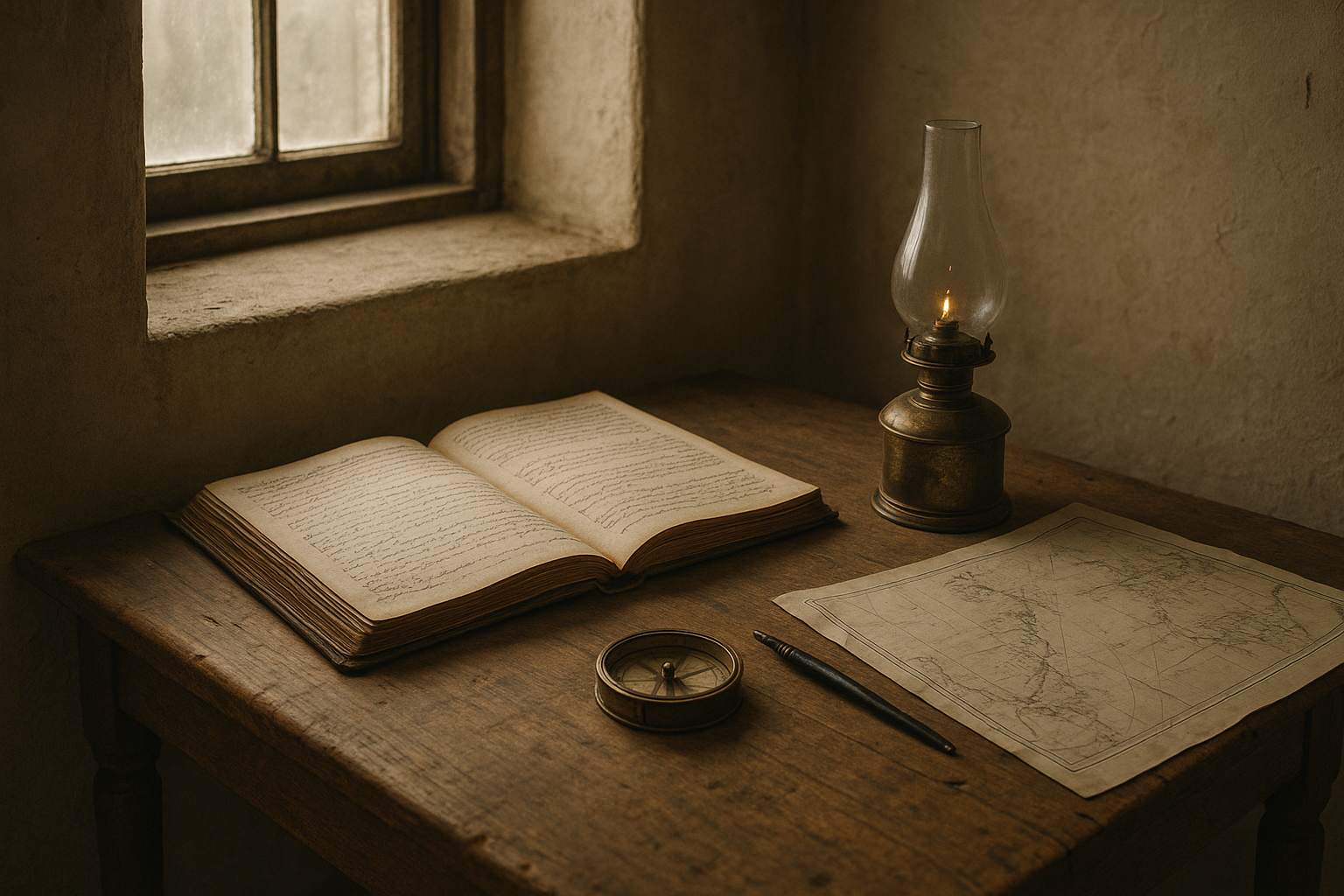
Margaret O'Leary's household notes place lesson hours between fog signals, revealing how family study and station duty shared the same narrow quarters.
A 1930 maintenance ledger lists paint, lens cloth, and rope by hand, showing how months of quiet repair prepared towers for summer traffic and safer passages.